Bitcoin & Crypto's Sudden Decline: What Drove the Downturn and its December Implications
Alright, let's dissect this supposed "sudden crash" in crypto that has everyone in a panic. According to the headlines, Bitcoin took a 3% hit in an hour, Ethereum fared even worse at 4.5%. And the Twittersphere (or X-sphere, whatever) is ablaze with cries of "$400 million in longs liquidated!" and dramatic pronouncements that "crypto is going to zero rn."
But let's put this into perspective. Bloomberg noted Bitcoin slid as much as 4.3% to below $88,000. Below $88,000! Remember when everyone was ecstatic about Bitcoin flirting with, then surpassing, previous all time highs? A 4% dip after that kind of run-up isn't a crash; it's a minor correction. It's a slightly bumpy Tuesday.
Panic Over a December Daydream?
The December Doldrums? Sean McNulty over at FalconX is quoted saying it's a "risk off start to December," citing "meagre inflows into Bitcoin exchange traded funds and absence of dip buyers." Okay, that sounds plausible. But is it really a structural issue, or just end-of-year portfolio shuffling? We're talking about December 1st here. Are people really making sweeping investment decisions based on *one day* of trading in December? Seems a bit premature. And here's the part of the report that I find genuinely puzzling: the connection drawn to potential interest rate moves *through 2026*. That's over a year away! The market's notoriously bad at predicting things six months out, let alone two years. Are we really hanging our hats on long-term rate speculation to explain a short-term crypto wobble? Then there's the mention of Trump's Fed chair nominee, supposedly linked to his desire for lower borrowing costs. Again, we're talking about *expectations* influencing a market known for its volatility. It's like trying to predict the weather based on a groundhog's shadow while ignoring the actual atmospheric pressure. Asian stocks wavered, S&P 500 futures slipped slightly... all signs of a cautious market, sure. But context matters. These are tiny movements in otherwise strong markets. To call this a "crash" feels like shouting fire in a crowded theater when someone just lit a match.Beyond the Panic: Real-World Tragedies Overshadow Market Fluctuations
The Human Cost of Hysteria While the financial implications are being debated, it's important to remember that numbers aren't the only thing that matters. The other news items from the same day paint a grim picture of real-world consequences. A tech worker, allegedly drunk, killed a valet attendant in Pune after being escorted from a restaurant. Six workers were injured in an LPG explosion at an industrial site, likely due to safety violations. And gamers were complaining about Fortnite crashing during a live event. These events, seemingly unrelated to the crypto blip, highlight the human element often lost in financial analysis. A single death is a far greater tragedy than any percentage drop in a cryptocurrency's value. While the market panics over fleeting numbers, people are grappling with real-world crises. For example, a report detailed how a Techie rams car into parking counter of Kalyaninagar restaurant, kills attendant. The crash, if we can even call it that, is a reminder that markets are driven by sentiment as much as fundamentals. And sentiment can be fickle, especially in the crypto world. What happens when the sentiment shifts again? Will everyone declare a new bull market based on another fleeting trend? Reality Check: The Emperor Has No Clothes I'm not saying crypto is doomed. But this "crash" seems more like a collective anxiety attack than a genuine financial catastrophe. It's a market overreacting to minor fluctuations, fueled by social media echo chambers and a healthy dose of FOMO (fear of missing out) turned into FUD (fear, uncertainty, and doubt). The data simply doesn't support the level of panic.Related Articles

Concordium: Pushing Stablecoins Mainstream and What We Know
Concordium: The Blockchain Bridge to a Stablecoin Future? Okay, let's dive into something truly fasc...

Balancer Hacked: Millions Drained and What We Know
Balancer's $110M Hack: A Wake-Up Call or DeFi's Next Evolution? Okay, so the headlines are screaming...
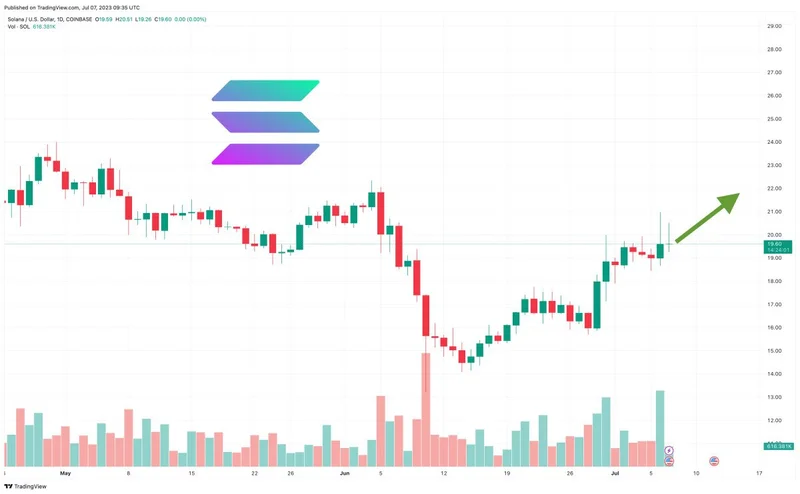
Solana Price Weakens: Will $165 Hold?
Crypto's Wild Ride: Is This the Shakeout Before the Real Revolution? Okay, folks, buckle up. We've s...
ZKsync's Atlas Upgrade: Fueling Crypto's Future – What We Know
ZKsync's Atlas Upgrade: Are We Witnessing the Dawn of Instantaneous Finance? The whispers started mo...

The Aster DEX Breakthrough: What It Is and Why It’s a Glimpse Into DeFi’s Future
A number gets thrown around in technology that is so large it almost loses its meaning: a trillion....

B&M Recalls Harvest Mug: Why Your 'Cozy' Fall Mug Might Just Explode
So let me get this straight. The primary, singular, unassailable function of a mug is to hold hot li...